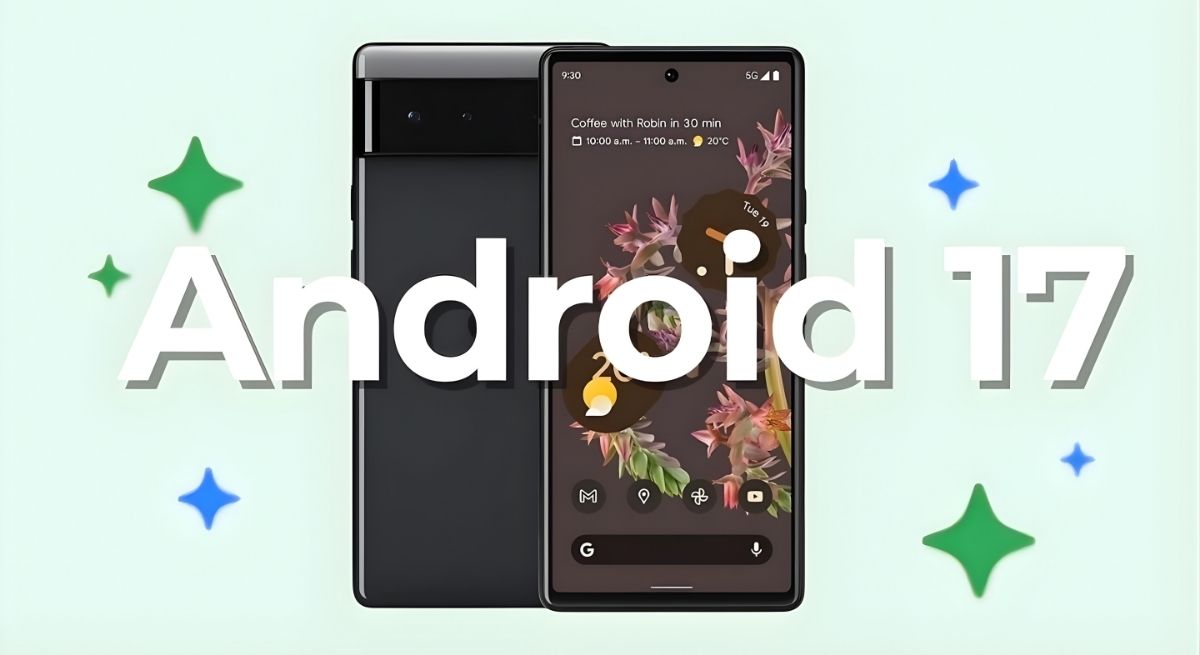
While many smartphones in India are just receiving the Android 16 update, the tech world is already buzzing about the next big leap—Android 17. Codenamed “Cinnamon Bun,” Google’s next operating system is expected to arrive earlier than usual in 2026. With rumors pointing to a massive redesign and powerful new “Desktop Mode,” Android 17 promises to blur the line between phones and laptops. Here is a complete breakdown of what Indian users can expect from the upcoming update.
When is Android 17 Releasing?
Google has shifted its release timeline to ensure new Pixel devices launch with the latest OS. Based on the new schedule established with Android 16, here is the expected roadmap for Android 17:
- Developer Previews: Likely already live or arriving by late January 2026.
- Public Beta: Expected in February or March 2026.
- Stable Release: The final version is tipped to launch in June 2026, well ahead of the traditional August-October window.
For Indian users with Pixel phones, the update will be available on day one. Users of Samsung, OnePlus, Xiaomi, and Realme can expect the rollout to begin in late 2026 (Q3 or Q4).
Top 4 Leaked Features of Android 17
Leaks suggest that Android 17 will focus heavily on refinement and productivity.
Read more: Samsung Galaxy Z TriFold
1. Material 3 Expressive UI
Google is reportedly working on a more vibrant and playful look called “Material 3 Expressive.”
- What it is: Expect bubblier buttons, new font styles, and smoother animations that feel more “alive.”
- Customization: Users might get more control over lock screen clocks and shortcut shapes, moving away from the rigid styles of the past.
2. Desktop Mode 2.0
This is the biggest game-changer. Android 17 is expected to feature a fully functional Desktop Mode.
- How it works: When you connect your phone to a monitor via USB-C, it won’t just mirror the screen. Instead, you will see a Windows-like interface with a taskbar, start menu, and free-floating windows.
- Impact: This could eliminate the need for a separate laptop for basic tasks like typing documents or browsing the web.
3. iPhone-Style Battery Health
Android users have long requested a native way to check battery health without third-party apps. Android 17 is rumored to finally introduce a “Maximum Capacity” percentage (similar to iOS), showing exactly how much your battery has degraded over time.
4. Smarter Notifications
With the help of on-device AI (Gemini Nano), Android 17 may introduce Notification Summaries. If you wake up to 50 WhatsApp messages, the OS will generate a single-line summary of the conversation instead of cluttering your notification shade.
Which Devices Will Get Android 17?
While official lists arrive later, the following devices are highly likely to support the update based on software promises:
- Google: Pixel 10 series, Pixel 9 series, Pixel 8 series, Pixel 7 series (specifically 7a and newer).
- Samsung: Galaxy S26, S25, S24 series, and recent Z Fold/Flip models.
- OnePlus: OnePlus 13, 12, and 12R.
- Xiaomi: Xiaomi 15, 14 series.
Why “Cinnamon Bun”?
Google internally names its Android versions after desserts. After “Baklava” (Android 16), the alphabet moves to ‘C’. “Cinnamon Bun” has been spotted in code repositories, confirming the sweet internal name for this 2026 release.
Frequently Asked Questions (FAQs)
Q1. Is Android 17 out now?
No, the stable version of Android 17 is expected to launch in June 2026. However, developer previews might be available for testing soon.
Q2. Will my phone get Android 17?
If you bought a flagship phone (Samsung S-series, Pixel, OnePlus number series) in 2024 or 2025, you are likely eligible. Most brands now offer 3–7 years of software updates.
Q3. What is the dessert name for Android 17?
The internal codename for Android 17 is “Cinnamon Bun.”
Q4. Is Android 17 better for battery life?
Yes, early reports suggest Android 17 will include stricter controls on background apps and a new “Power Efficiency” mode to extend battery lifespan.
Q5. Can I install Android 17 on any phone?
Initially, it will only be available for Google Pixel devices. Other brands will release their own versions (like One UI 8 or OxygenOS 16) based on Android 17 later in the year.