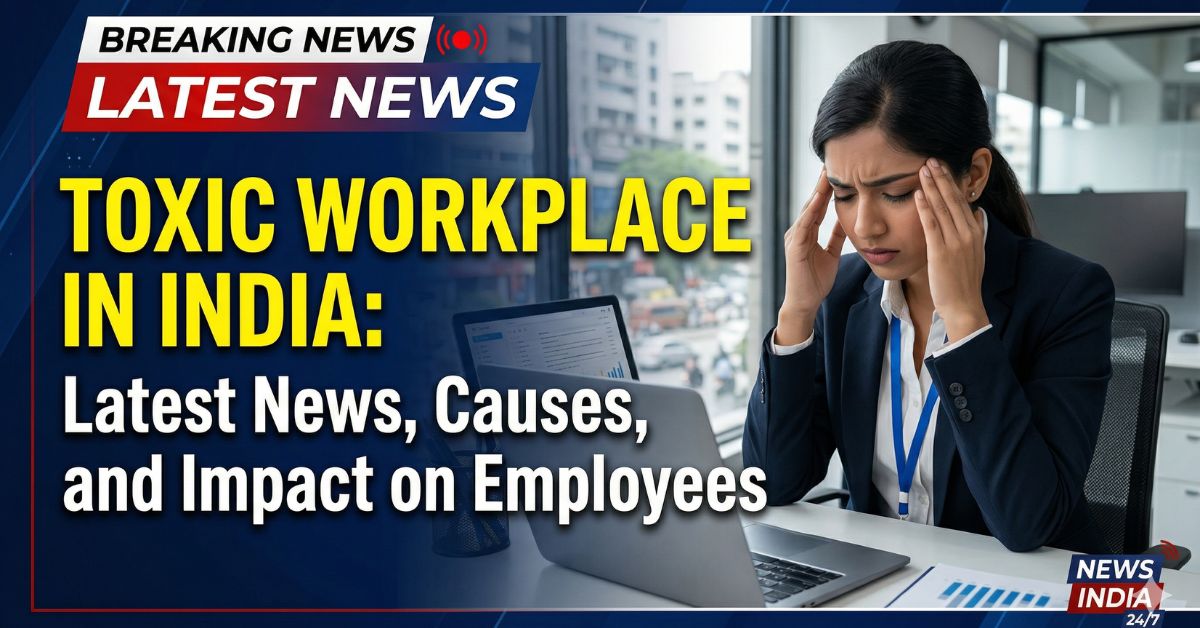
A growing number of Indian employees are speaking openly about toxic workplaces, and the issue is becoming a major topic in news and online discussions. From viral social media posts to employee complaints about long hours, delayed salaries, and harsh management, the problem is no longer hidden.
This article explains what a toxic workplace really means, recent developments in India, why it matters, and what could happen next.
What Happened: Recent Toxic Workplace Cases in India
In March 2026, a viral post shared by an employee highlighted the reality of toxic work culture in India. The employee claimed they faced delayed salaries, excessive workload, rude communication, and sudden termination without warning.
The post gained attention because many professionals related to it. Employees across sectors shared similar experiences like:
- Working on weekends without proper compensation
- No clear leave policy
- Constant pressure and micromanagement
- Lack of respect from management
Such incidents are not isolated. Social media platforms and forums are full of similar stories, showing that workplace toxicity is a widespread issue.
What is a Toxic Workplace?
A toxic workplace is an environment where negative behavior becomes normal. Employees feel stressed, unsafe, or undervalued instead of supported.
Experts define it as a workplace where fear, pressure, and poor communication replace respect and teamwork.
Common signs include:
- Constant criticism or humiliation
- Unfair treatment or favoritism
- Unrealistic deadlines
- Lack of work-life balance
- Poor leadership and communication
In simple terms, if going to work regularly affects your mental health, it may be a toxic workplace.
Why Toxic Work Culture is Rising in India
The issue is growing due to several factors.
1. Pressure for High Performance
Many companies focus heavily on targets and profits. This creates pressure on managers, which often passes down to employees.
2. Long Working Hours
Debates around long work hours, including 70–90 hour workweeks, have increased concerns about employee burnout in India.
Studies show that a large number of Indian workers face stress at work. Around 76% say stress affects their performance, and nearly half report mental health issues.
3. Weak HR Policies
Some companies lack clear rules on leave, working hours, or employee rights. This allows toxic behavior to continue unchecked.
4. Poor Leadership
Toxic workplaces often start at the top. Leaders who use fear, control, or unfair practices create unhealthy environments.
Check out more: Inter Result 2026
Real Impact on Employees
Toxic workplaces are not just uncomfortable—they can seriously harm employees.
Mental Health Issues
Employees often face anxiety, stress, and burnout. In some cases, it can lead to depression or serious health problems.
Reduced Productivity
Contrary to belief, longer hours and pressure reduce efficiency. Overworked employees perform worse over time.
High Job Turnover
Many employees leave toxic jobs quickly. Reports suggest toxic behavior is one of the biggest reasons people quit their jobs.
Loss of Confidence
Constant criticism and lack of appreciation can damage self-esteem and career growth.
Impact on Companies and India’s Workforce
Toxic work culture does not just affect employees. It also harms companies and the overall economy.
For Companies
- Lower productivity
- Higher employee turnover
- Poor company reputation
- Difficulty hiring talent
For India
India has a young and growing workforce. But if toxic work culture continues, it may lead to:
- Increased mental health issues
- Talent moving abroad
- Reduced innovation and creativity
Young professionals, especially Gen Z, are now demanding better work-life balance and healthier work environments.
Warning Signs You Should Not Ignore
Many employees ignore early signs of toxicity. But recognising them early is important.
Some clear red flags include:
- Feeling anxious before going to work
- Being afraid to speak openly
- Regular unpaid overtime
- Lack of recognition for your work
- Constant negative feedback
If multiple signs are present, it is a serious concern.
What Experts and Companies Are Saying
Experts believe companies must take responsibility for fixing toxic work culture.
Suggestions include:
- Creating clear HR policies
- Encouraging open communication
- Supporting mental health
- Promoting work-life balance
- Training managers in leadership skills
Leadership plays a key role. A positive workplace usually starts with respectful and fair management.
What Happens Next?
The conversation around toxic workplaces in India is growing rapidly. Social media, employee awareness, and media coverage are pushing companies to act.
In the future, we may see:
- Stronger labour policies
- More focus on employee well-being
- Increased accountability for managers
- Companies competing to offer better work culture
Employees are also becoming more aware of their rights and are more willing to leave unhealthy jobs.
Why This Topic Matters Now
The issue of toxic workplaces is no longer just a personal problem. It is a national concern affecting millions of professionals.
With rising stress levels and changing expectations of younger workers, companies will need to adapt quickly.
A healthy workplace is not just good for employees—it is essential for business success and economic growth.
FAQs
What is a toxic workplace in simple words?
A toxic workplace is an office where employees feel stressed, disrespected, or treated unfairly regularly.
What are common signs of a toxic work environment?
Signs include long working hours, poor communication, constant criticism, and lack of appreciation.
How does a toxic workplace affect mental health?
It can cause stress, anxiety, burnout, and even depression over time.
Why are toxic workplaces increasing in India?
High work pressure, long hours, weak HR policies, and poor leadership are major reasons.
What should an employee do in a toxic workplace?
Employees can document issues, talk to HR, set boundaries, or consider changing jobs if needed.